
Importance of Verifying Male and Female Connectors in Wi-Fi Installations.
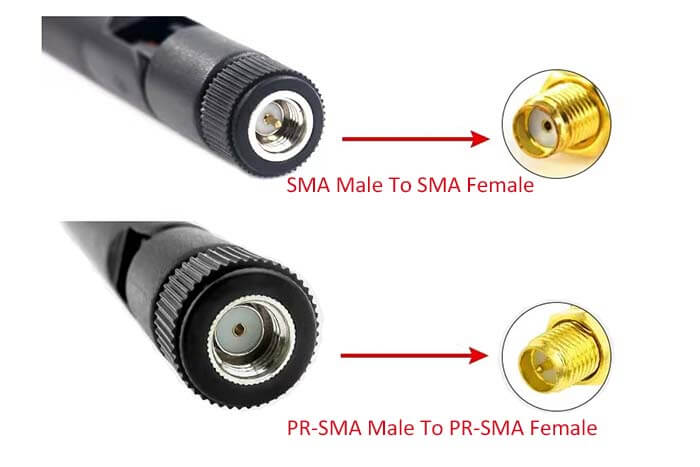
When setting up Wi-Fi equipment, it is essential to verify the types of RF (Radio Frequency) connectors before connecting the access point, antenna, or cable. Wi-Fi devices use different connector types, mainly male and female, and connecting them incorrectly can lead to physical damage or poor signal quality.
Why Verification Is Important
Prevents Physical Damage
Forcing mismatched connectors (e.g., male-to-male or female-to-female) can damage the pins or threads on the connector and the device port.Ensures Proper Signal Transmission
A correct male-to-female connection ensures stable RF contact and minimizes signal loss. Wrong connectors can reduce Wi-Fi coverage and speed.Avoids Device Downtime
Damaged ports or cables may require replacement, leading to downtime and additional cost.
(1) Recommended Practice
Before making any physical connection:
Inspect both connectors visually.
Verify that one side is male and the other side is female.
Do not apply pressure if it does not fit easily.
Cross-check connector type in device manual or cable label.
(2) Antenna-Port Matching Requirement
Before connecting the antennas, it is essential to verify that each antenna is connected to its correct corresponding port.
The 2.4 GHz and 5.8 GHz Wi-Fi antennas must be connected to the 2.4 GHz and 5.8 GHz Wi-Fi ports respectively.
The LTE (4G/5G) antennas must be connected only to the LTE 4G/5G ports.
Incorrect antenna-to-port mapping can result in poor Wi-Fi performance, unstable signal, low range, or complete connectivity failure.
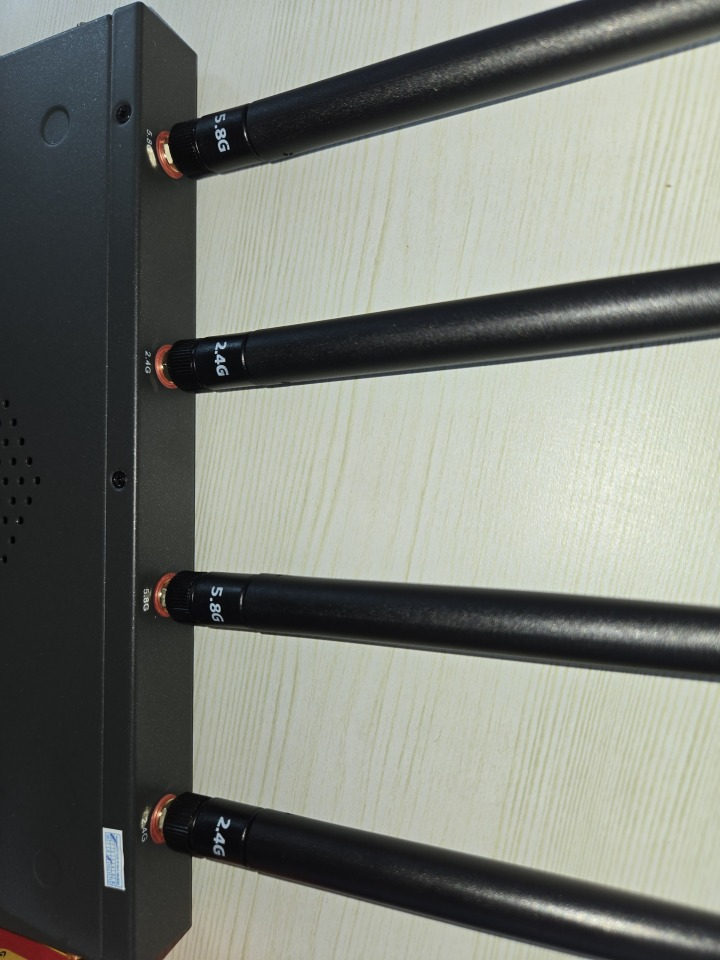
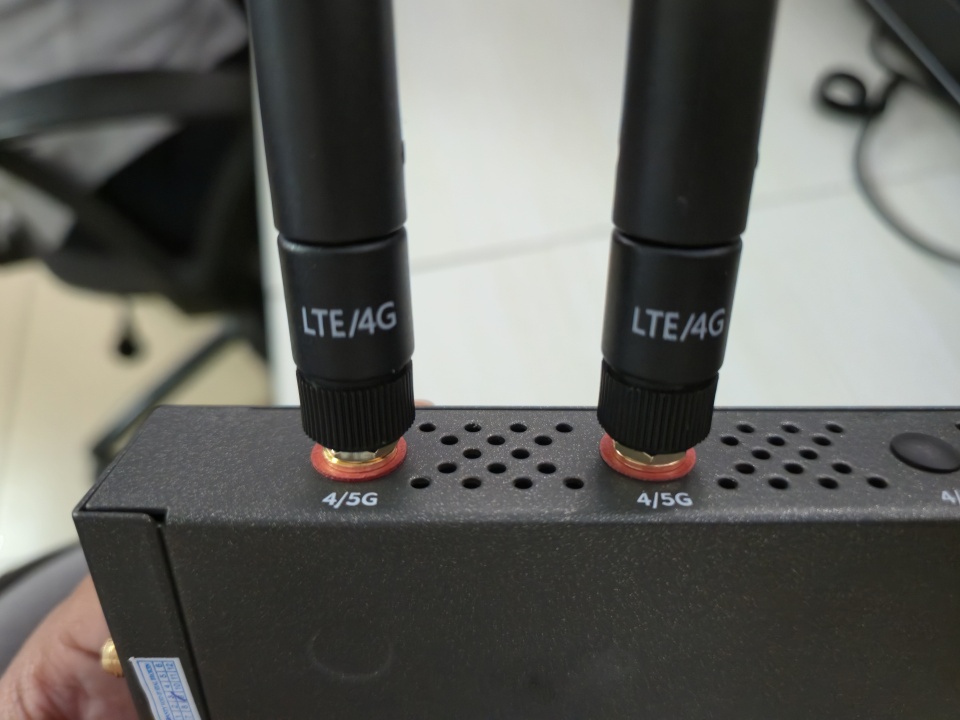
Both the ports and the antennas are clearly labeled/marked for easy identification.
Please ensure that you match the markings correctly while connecting — 2.4 GHz to 2.4 GHz, 5.8 GHz to 5.8 GHz, and LTE (4G/5G) to LTE (4G/5G).